Source Portable Wireless Lymph Drainage Machine for Salon, Home, and Clinic
Find and compare 30 portable wireless lymph drainage machines from verified manufacturers. Evaluate features like air pressure modes, LCD displays, and customization options to select the ideal device for salon, home, or clinic use.
Key considerations
Products List




Comprehensive Sourcing Guide
Portable Wireless Lymph Drainage Machine Sourcing Guide
Sourcing portable wireless lymph drainage machines requires a careful balance between technological innovation and clinical efficacy. These devices utilize air pressure to stimulate lymphatic flow, offering a non-invasive alternative to manual therapy for both professional salons and home users. The market has seen a surge in compact, battery-operated units that promise convenience without sacrificing the core functionality of traditional pressotherapy systems. Buyers must navigate a landscape where "wireless" capabilities often intersect with varying degrees of power output and treatment intensity, making it essential to distinguish between marketing claims and verifiable performance metrics.
The procurement process for these devices is heavily influenced by the specific application environment, whether for high-volume commercial use or personal wellness routines. Commercial buyers typically prioritize durability, standardized protocols, and integration with existing salon equipment, while individual consumers may focus on ease of use, aesthetic design, and portability. Understanding these divergent needs is crucial for selecting the right supplier and model. This guide provides a structured approach to evaluating suppliers, verifying technical specifications, and ensuring compliance with safety standards, helping buyers make informed decisions that align with their operational goals and budget constraints.
Product Scope and Observed Listing Signals
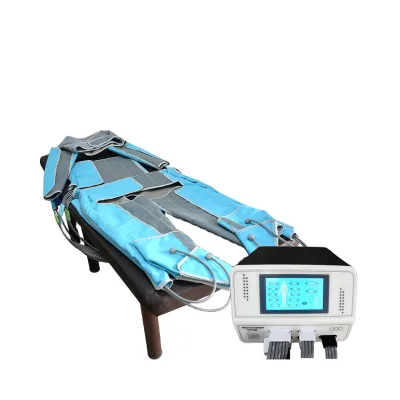
The current market for portable wireless lymph drainage machines exhibits a diverse range of product configurations, primarily categorized by their intended function and physical design. Observed listings indicate a strong presence of devices labeled as "Pressotherapy" units, which utilize air pressure to facilitate lymphatic drainage and body shaping. These machines often feature multiple modes, such as four or five distinct treatment settings, allowing for customized therapy sessions. The presence of LCD displays is a common attribute, providing users with clear visibility into treatment parameters, including time and intensity levels. This digital interface enhances user control and ensures consistent application of therapy protocols.
Another significant segment includes slimming and body shaping machines that incorporate lymphatic drainage as one of several functions. These units often emphasize additional benefits such as body detoxing, fat reduction, and general body massage. The scope of these devices extends beyond simple drainage, offering comprehensive body contouring solutions. Listings frequently highlight the inclusion of airbags, with counts ranging from 16 to 20 pieces, which are critical for delivering uniform pressure across different body parts. The variety in color options, including cyan, blue, pink, black, and gray, suggests that aesthetic appeal is a key differentiator for many buyers, particularly in the consumer and boutique salon markets.
Technical Specifications to Verify
When evaluating technical specifications, buyers should prioritize the air pressure capabilities and power consumption of the device. The observed data indicates that air pressure ranges from 20 to 360 mmHg, with some units specifying a maximum air pump intensity of 48 kPa. It is essential to verify that the pressure settings are adjustable and stable, as inconsistent pressure can compromise treatment efficacy and user comfort. Additionally, the maximum power consumption for these devices typically falls within the 0-150W range. Buyers should confirm whether the wireless functionality is supported by a rechargeable battery and, if so, the battery capacity and charging time, as these factors directly impact the device's usability in settings without immediate access to power outlets.
The treatment time and mode selection are also critical technical aspects to verify. Most devices offer a maximum treatment time of 60 minutes, which is standard for comprehensive lymphatic drainage sessions. Buyers should ensure that the device offers multiple modes, such as the four or five modes observed in various listings, to accommodate different body areas and treatment goals. Some advanced models include specialized functions, such as eye massage with air pressure and heating or vibration features. Verifying the compatibility of the airbags with the device and the ease of cleaning and maintenance is also important, as these factors influence long-term operational efficiency and hygiene standards.
Compliance and Safety Documentation
Compliance with international safety and quality standards is non-negotiable when sourcing medical or wellness devices. The most commonly observed certification for these products is the CE mark, indicating conformity with health, safety, and environmental protection standards for products sold within the European Economic Area. Buyers should request valid CE certificates and verify their authenticity through the relevant notified bodies. Additionally, some listings mention RoHS compliance, which restricts the use of specific hazardous materials in electrical and electronic products. Ensuring that the supplier can provide up-to-date certification documents is crucial for avoiding regulatory issues and ensuring product safety.
Beyond certifications, buyers should inquire about the manufacturing standards and quality control processes employed by the supplier. While ISO 13485 is a recognized standard for medical device quality management systems, its presence should be verified rather than assumed. Buyers should ask for evidence of rigorous testing procedures, including electrical safety tests, pressure stability tests, and material biocompatibility assessments. Requesting test reports from independent laboratories can provide additional assurance of product quality and safety. Furthermore, understanding the warranty terms, which often range from 12 months to one year, is important for mitigating risks associated with potential defects or malfunctions.
Cost Drivers and Commercial Terms
The cost of portable wireless lymph drainage machines is influenced by several factors, including the complexity of the device, the quality of components, and the level of customization offered. Observed price ranges vary significantly, from approximately $200 to $1980, reflecting the diversity in features and build quality. Devices with advanced features, such as multiple modes, LCD displays, and specialized airbag configurations, tend to be priced higher. Buyers should carefully evaluate the cost against the expected benefits and operational requirements to ensure a favorable return on investment. It is also important to consider the total cost of ownership, including maintenance, replacement parts, and potential training costs.
Commercial terms, such as minimum order quantities (MOQ) and packaging, play a significant role in the procurement process. Many suppliers offer an MOQ of 1 unit, which is beneficial for small businesses or individual buyers looking to test the product before committing to larger orders. Packaging options vary, with some devices shipped in aviation aluminum boxes for enhanced protection, while others use wooden boxes or standard export cartons. Buyers should assess the packaging quality to ensure that the devices arrive in pristine condition, minimizing the risk of damage during transit. Additionally, negotiating favorable payment terms and delivery schedules can help manage cash flow and ensure timely availability of the products.
Supplier Qualification and Quality Control
Selecting a reliable supplier is critical for ensuring the quality and consistency of portable wireless lymph drainage machines. Buyers should conduct thorough due diligence on potential suppliers, verifying their business registration, manufacturing capabilities, and track record in the industry. Suppliers based in regions known for medical device manufacturing, such as Guangzhou, China, may offer competitive pricing and advanced technological capabilities. However, buyers should also assess the supplier's commitment to quality control, including their internal testing procedures and adherence to international standards. Requesting samples before placing bulk orders can provide valuable insights into the product's performance and build quality.
Quality control should extend beyond the initial product inspection to include ongoing monitoring of production processes. Buyers should inquire about the supplier's quality management system and their approach to handling defects or customer complaints. Establishing clear communication channels and regular check-ins can help maintain product quality and address any issues promptly. Additionally, buyers should consider the supplier's ability to provide after-sales support, including technical assistance, spare parts availability, and warranty services. A supplier with a strong reputation for customer service and product reliability can significantly enhance the procurement experience and ensure long-term satisfaction.
Long-Term Procurement Checks
Long-term procurement success depends on establishing a sustainable relationship with suppliers and continuously monitoring product performance. Buyers should implement a system for tracking product feedback from end-users, including salon staff and customers, to identify any recurring issues or areas for improvement. Regularly reviewing warranty claims and return rates can provide valuable data on product reliability and help inform future purchasing decisions. Maintaining open communication with suppliers regarding product updates, new features, and potential recalls is essential for staying ahead of market trends and ensuring that the products offered remain competitive and safe.
Furthermore, buyers should periodically reassess their supplier base to ensure that they continue to meet evolving quality and compliance standards. This may involve conducting periodic audits, requesting updated certification documents, and evaluating the supplier's financial stability and operational capacity. As the market for portable wireless lymph drainage machines continues to evolve, staying informed about technological advancements and regulatory changes is crucial for maintaining a competitive edge. By adopting a proactive and disciplined approach to procurement, buyers can mitigate risks, optimize costs, and deliver high-quality products that meet the needs of their customers.
FAQs
What certifications do these portable wireless lymph drainage machines have?
The machines carry CE and RoHS certifications as documented in the product specifications. This ensures compliance with safety standards for use in salons and home environments while meeting international regulatory requirements for medical-grade devices.
How many airbags are included in the portable wireless lymph drainage system?
The system includes either 20 or 16 airbags depending on the specific model selected. These airbags facilitate effective lymphatic drainage and body shaping functions through controlled air pressure application across the treatment area.
Can the portable wireless lymph drainage machine be customized for buyers?
Yes, customization is available for these units to meet specific buyer requirements. This flexibility allows for tailored solutions while maintaining core functions like body slimming, detoxification, and air pressure lymphatic drainage for professional or home use.
What is the maximum air pressure intensity for the portable wireless lymph drainage device?
The device supports an air pump max intensity of 48kPa with a pressure range of 20 to 360 mmHg. This adjustable intensity ensures safe and effective treatment sessions for various body types and therapeutic needs during the procedure.
Which models of portable wireless lymph drainage machines are available for purchase?
Available models include GMS-G615, GMS-619, B-8310A, 8310DS, and 8310C1T. Each model offers distinct features such as eye massage functions, multiple treatment modes, and specific packing options like aviation aluminum or wooden boxes.
What is the warranty period for the portable wireless lymph drainage machine?
The warranty period is 12 months or within one year for the supplied units. This coverage provides assurance for the product's reliability and performance during the initial period of operation in salon or home settings.